
What if something inside your body was quietly working against you every day, but you had no clear sign it was happening?
High blood pressure, also called hypertension, is one of the most common conditions affecting adults in the United States, yet it often goes unnoticed for years. Many people feel completely normal while their heart and blood vessels are under constant strain. This is what makes it especially concerning: there is usually no early pain, no obvious warning, and no immediate signal that something is wrong.
Understanding how high blood pressure develops, what drives it, and how it progresses is important because early detection can prevent serious complications later. When left unmanaged, it can quietly affect the heart, brain, and kidneys long before noticeable symptoms appear.
1. What High Blood Pressure Actually Is
High blood pressure is a measurement of force. Every time your heart beats, it pushes blood through your arteries. That movement creates pressure against the artery walls. When that pressure stays consistently high, it begins to place strain on your entire cardiovascular system.
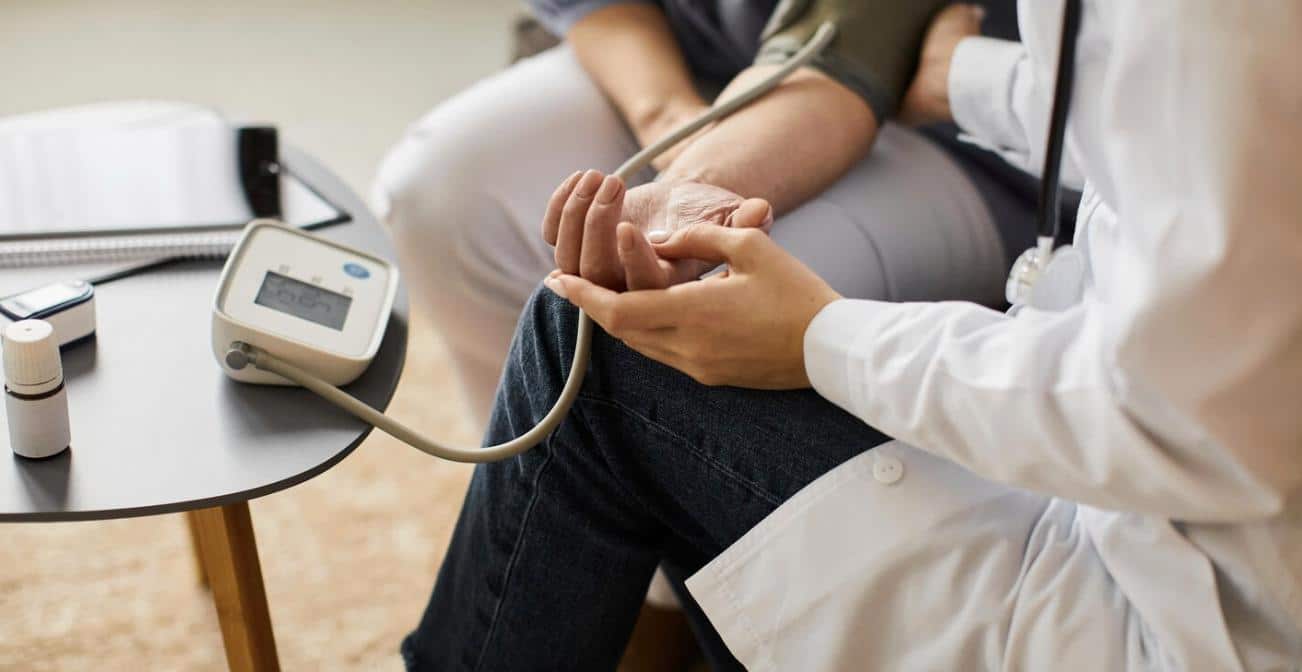
How Blood Pressure Is Measured
Blood pressure readings are made up of two numbers. The first number, called systolic pressure, measures the force when the heart contracts and pumps blood. The second number, diastolic pressure, measures the pressure when the heart is resting between beats.
In the United States, a normal reading is generally considered to be below 120/80 mm Hg. Readings above this range may fall into elevated or hypertensive categories depending on how high they are and how consistently they appear.
What Happens Inside the Body
When blood pressure remains elevated, the arteries are forced to handle more pressure than they are designed for over time. This continuous strain affects the inner lining of blood vessels, gradually causing them to become thicker and less elastic. As this flexibility decreases, the vessels lose their ability to expand and contract efficiently, which makes it harder for blood to move through the body in a smooth and regulated way.
Over time, this increased resistance creates a cycle of added strain. The heart must generate more force with each beat to push blood through narrowed or stiffened arteries. This means the cardiovascular system is working harder continuously, even during rest or sleep, when the body would normally be in a recovery state. Because of this constant workload, fatigue can build internally even when no obvious symptoms are present.
In some cases, small blood vessels in sensitive organs may also begin to experience stress or micro-damage. These changes are not immediately noticeable but can contribute to long-term complications if blood pressure remains uncontrolled.
Why It Matters Long-Term
The effects of high blood pressure are not limited to the cardiovascular system. Over time, the increased force can damage organs that depend on steady blood flow. The heart may become enlarged or weakened, the brain may face increased risk of stroke, and the kidneys may lose filtering efficiency.
These changes happen gradually, which is why high blood pressure can exist for years without being detected or treated.
2. What Causes High Blood Pressure
High blood pressure does not usually develop from one single cause. Instead, it is often the result of multiple factors building over time. In many cases, people are unaware of these influences until blood pressure readings begin to rise.
Primary (Essential) Hypertension
Primary hypertension develops over time without a clearly identifiable medical cause. It accounts for the majority of cases in the United States.
This type is often linked to long-term changes in the body, including:
- Natural aging of blood vessels
- Gradual narrowing or stiffening of arteries
- Long-term lifestyle patterns
- Genetic predisposition
Because it develops slowly, it can remain undetected for years, even while internal changes are occurring.
Secondary Hypertension
In some cases, high blood pressure is caused by an underlying medical condition. This type tends to appear more suddenly and may be more severe. Common causes include kidney disease, thyroid disorders, hormonal imbalances, and certain prescription medications that affect circulation or fluid balance.
Unlike primary hypertension, secondary hypertension often improves when the root condition is treated. However, it still requires careful monitoring because blood pressure levels can fluctuate significantly while the underlying issue is active.
Lifestyle Factors

Daily habits play a major role in the development of high blood pressure. Over time, these patterns can significantly influence vascular health.
Key contributors include:
- High sodium intake, especially from processed or packaged foods
- Low physical activity levels, which reduce cardiovascular efficiency
- Excess body weight, which increases strain on the heart
- Smoking, which damages blood vessel walls and restricts circulation
- Excessive alcohol use, which can raise blood pressure over time
These factors often work together rather than independently, increasing overall risk.
In many cases, individuals do not notice the impact of lifestyle habits immediately. Instead, the effects accumulate gradually, making prevention more effective than late-stage correction.
Genetic and Biological Influences
Family history can significantly increase the likelihood of developing hypertension. If close relatives have high blood pressure, the risk tends to be higher due to inherited traits that affect how the body regulates circulation.
Age also plays a role, as blood vessels naturally become less flexible over time, making it easier for pressure to rise.
Biological differences in how the body processes salt, manages hormones, and regulates fluid balance can also influence long-term blood pressure trends, even in individuals with otherwise healthy lifestyles.
Stress and Ongoing Pressure on the Body

Chronic stress can contribute to sustained increases in blood pressure. While temporary stress responses are normal, ongoing stress without recovery periods can keep the body in a heightened state, affecting heart rate and vascular tension over time.
When stress becomes persistent, the body may remain in a constant alert mode. This can influence hormone levels, sleep quality, and cardiovascular function. Over time, these repeated stress responses may contribute to long-term elevation in blood pressure.
3. Risk Factors That Increase the Likelihood of High Blood Pressure
High blood pressure does not affect everyone equally. While causes explain how hypertension develops, risk factors help identify who is more likely to develop it. These factors often interact, meaning the presence of more than one can significantly increase overall risk.
Non-Modifiable Risk Factors
Some risk factors cannot be changed, but they are still important for understanding personal vulnerability.
- Age:Risk increases as blood vessels naturally lose flexibility over time
- Family History:A strong genetic link exists in many cases of hypertension
- Ethnic Background:In the United States, certain populations show higher rates of hypertension due to a combination of genetic and social factors
These factors do not guarantee high blood pressure, but they do raise the likelihood of developing it over time.
Modifiable Lifestyle Risks
These are factors that can be influenced through daily habits and long-term choices.
- Excess body weight, which increases strain on the heart and circulation
- Diets high in sodium and low in potassium
- Low physical activity levels, which reduce cardiovascular efficiency
- Smoking, which damages blood vessels and restricts blood flow
- Excess alcohol intake, which can elevate blood pressure over time
Because these factors are adjustable, they are often the focus of prevention strategies.
Health-Related Conditions
Certain medical conditions increase the likelihood of developing high blood pressure or make it harder to control.
- Diabetes, which affects blood vessel health
- Chronic kidney disease, which impacts fluid regulation
- Sleep apnea, which disrupts oxygen balance and cardiovascular function
- High cholesterol, which contributes to artery narrowing
When multiple conditions exist together, blood pressure management becomes more complex.
4. Symptoms of High Blood Pressure
High blood pressure is often symptom-free in its early stages, but when symptoms do appear, they usually signal that the condition is more advanced or not well controlled.
Headaches
Persistent or unusually strong headaches may occur when blood pressure is significantly elevated. These are often felt as pressure or tightness and may be more noticeable during periods of stress or in the morning.
While headaches are commonly experienced for many reasons, those associated with hypertension may feel different in intensity or pattern. They may not respond as expected to rest or typical over-the-counter relief methods, especially when blood pressure remains uncontrolled.
Shortness of Breath
When the heart is working harder than normal, circulation efficiency may decrease. This can lead to difficulty breathing during physical activity or even at rest in more advanced cases.
This symptom may appear gradually, often first noticed during tasks that previously felt routine. It can also be accompanied by a feeling of reduced stamina or slower recovery after exertion.
Fatigue and Low Energy

Ongoing strain on the cardiovascular system can reduce overall energy levels. Many individuals describe a constant sense of tiredness that does not improve with rest.
This fatigue is not always dramatic but tends to be persistent. It may affect focus, productivity, and the ability to maintain normal daily routines without feeling drained.
Vision Changes
High blood pressure can affect the small blood vessels in the eyes, leading to blurred vision or visual disturbances. This is typically a sign of more significant progression.
In some cases, individuals may notice temporary changes in clarity or difficulty focusing. These changes should be taken seriously, as they may indicate vascular impact beyond the cardiovascular system.
Chest Discomfort or Irregular Heartbeat
Some individuals may experience chest tightness or a sensation of an uneven heartbeat. These symptoms require prompt medical attention, especially if they occur repeatedly.
Irregular rhythms or discomfort may signal that the heart is under increased strain. Even mild or intermittent sensations should not be ignored, particularly when combined with other symptoms.
Dizziness or Lightheadedness
Reduced or unstable blood flow can lead to dizziness, especially when standing or during sudden changes in activity.
This may present as brief episodes of imbalance or a feeling of faintness. In more persistent cases, it can interfere with daily functioning and increase the risk of falls or accidents.
5. Early Warning Signs People Often Overlook
Before symptoms appear, high blood pressure often presents subtle changes that are easy to dismiss or attribute to everyday stress or fatigue.
Mild and Inconsistent Physical Changes
Early signs are often vague and may come and go. These can include slight headaches, occasional fatigue, or disrupted sleep patterns. Because they are not severe, they are often ignored.
Gradual Decline in Energy and Stamina
A slow reduction in physical endurance can occur over time. Activities that once felt easy may begin to feel more tiring without a clear explanation.
Increased Sensitivity to Stress
Some individuals notice that stress feels more physically intense than before. This may include tension, restlessness, or a lingering sense of pressure after stressful events.
Subtle Cognitive Effects
Difficulty concentrating or mental fatigue during the day can sometimes appear. These changes are often attributed to workload or lifestyle rather than a medical cause.
The Most Overlooked Sign: Normal Feelings Despite High Readings
One of the most important “warning signs” is actually the absence of symptoms. Many individuals only discover hypertension during routine screening, even though their readings have been elevated for some time.
This silent progression is what makes early detection so dependent on regular monitoring rather than physical awareness alone.
6. When High Blood Pressure Begins to Affect Daily Life and Work
As blood pressure becomes more persistent or difficult to control, it can begin to influence daily functioning in ways that go beyond physical health.
Physical Limitations During Routine Activities
Tasks that require sustained effort may begin to feel more demanding. Individuals may notice reduced stamina, faster fatigue, or the need for more frequent rest breaks.
Impact on Focus and Mental Clarity
Concentration may become more difficult, especially during long or high-pressure tasks. Mental fatigue can appear earlier in the day, affecting productivity and consistency.
Disruption from Medical Care
Managing hypertension often involves ongoing medical appointments, medication adjustments, and regular monitoring. These requirements can interrupt work schedules, especially when treatment is being stabilized.
Unpredictability During Fluctuations
Blood pressure levels can vary depending on stress, medication timing, or underlying conditions. When fluctuations occur, they may require immediate rest or medical evaluation.
At this stage, the condition begins to move beyond a purely medical concern and can affect work stability, attendance, and consistency, which is where structured medical documentation may become relevant.
7. Managing High Blood Pressure and Understanding Work-Related Support Options
For some individuals, high blood pressure does not only affect health, but also begins to influence work consistency and capacity. This is especially true when symptoms fluctuate or treatment requires ongoing adjustments.
When Work Stability Becomes a Concern
Fluctuating blood pressure, medication side effects, or recurring symptoms can make it difficult to maintain consistent attendance or performance. In such cases, time away from work may be medically necessary.
Understanding FMLA Protection in the United States
In the United States, eligible employees may qualify for job-protected leave under the Family and Medical Leave Act when a serious health condition affects their ability to work.
High blood pressure may qualify when it reaches a level where it interferes with normal functioning or requires ongoing medical supervision. It is not the diagnosis alone that determines eligibility, but rather the impact of the condition on daily and occupational functioning.
Hypertension may qualify when:
- It requires ongoing medical treatment and monitoring
- It leads to periods of incapacity or reduced functioning
- It involves frequent adjustments in medication or care plans
- It affects the ability to consistently perform essential job duties
In many cases, it is not continuous severity that leads to leave eligibility, but recurring or unpredictable episodes that make regular work difficult to maintain.
Types of Leave That May Apply

Depending on medical needs, different forms of leave may be used under FMLA protections. The structure of leave often depends on how stable or unstable the condition is and how treatment is being managed.
- Continuous FMLA leavemay be used during periods of treatment initiation, medication adjustment, or stabilization when symptoms are more persistent
- Intermittent FMLA leavemay apply when symptoms or medical needs occur unpredictably, such as sudden spikes in blood pressure or recurring medical appointments
- Reduced schedule leave may be appropriate when full-time work temporarily exceeds what the individual can safely manage during recovery or adjustment periods
Intermittent arrangements are especially common in hypertension cases because the condition can vary over time. Medical appointments, monitoring visits, or short episodes of elevated readings may require brief but repeated absences rather than extended time away.
Importance of Medical Certification
To access FMLA protections, documentation from a licensed healthcare provider is required. This certification serves as official medical confirmation of the condition and its impact on the employee’s ability to work.
The certification typically includes details such as:
- Diagnosis and clinical assessment
- Expected duration or ongoing nature of the condition
- Treatment plan and follow-up requirements
- How the condition affects job performance or attendance
This documentation is essential because employers rely on it to evaluate eligibility and structure leave appropriately. Without clear certification, approval may be delayed or incomplete.
For many individuals, this is where challenges begin. Understanding eligibility is often straightforward, but completing the required paperwork in a way that fully meets employer and regulatory expectations can be complex. Forms must be accurate, consistent, and aligned with both medical findings and workplace requirements.
This administrative layer often becomes stressful during a period when the individual is already managing a health condition, making structured support especially important.
8. How MyFMLA Supports the Certification Process
When managing a condition like high blood pressure, the medical side is only part of the challenge. The administrative side, especially documentation for work leave, can be just as demanding.
MyFMLA is designed to simplify this process by helping patients complete required FMLA certification through a structured, physician-reviewed system that aligns with U.S. employer standards.
Step 1: Guided Intake Process
Patients begin with a structured intake that collects relevant medical and work impact information. This step focuses on understanding the condition in context, not just the diagnosis itself.
The intake typically includes:
- Symptom patterns and severity
- Treatment history and current medications
- Frequency of medical visits or monitoring
- How the condition affects job performance and daily functioning
This structured approach helps ensure that important details are not missed and that the full impact of the condition is properly documented.
Step 2: Physician Review and Evaluation
A licensed physician reviews the submitted information and conducts a video consultation when needed. This step ensures that the condition is properly evaluated and that the documentation reflects an accurate clinical understanding.
The focus is on how hypertension affects the individual’s ability to work consistently, safely, and effectively. This includes assessing whether symptoms are stable, fluctuating, or requiring ongoing adjustment.
This evaluation also ensures that the documentation aligns with medical standards required for workplace leave requests in the United States.
Step 3: Completed FMLA Documentation
Once the evaluation is complete, the required paperwork is finalized in alignment with federal FMLA standards. The documentation is structured to clearly communicate medical necessity and work-related limitations.
The completed forms are then prepared for employer submission, helping reduce delays, misunderstandings, or rejections due to incomplete or unclear information.
This structured process helps bridge the gap between medical care and workplace requirements, ensuring both sides have the information needed for proper leave consideration.
9. Final Takeaway: Recognizing High Blood Pressure Early
High blood pressure is often called a silent condition for a reason. It can develop gradually, remain unnoticed for years, and still create serious long-term health risks. The key challenge is not just understanding what it is, but recognizing how easily it can go undetected.
Awareness of causes, risk factors, and early warning signs plays a critical role in prevention and management. Regular monitoring remains one of the most effective tools for early detection.
When hypertension begins to affect daily life or work stability, proper medical evaluation and documentation become essential steps in maintaining both health and employment security.
Support systems exist to help bridge that gap, making it easier to focus on treatment while ensuring the necessary paperwork is handled correctly and efficiently.
If you are managing high blood pressure and need medical documentation for work-related leave, MyFMLA provides structured, physician-reviewed support to help you complete your FMLA certification with clarity and confidence.
FAQs
- What is included in FMLA paperworkfor high blood pressure?
FMLA paperwork for high blood pressure typically includes medical certification from a licensed healthcare provider, details of the condition, treatment plan, and how it impacts your ability to perform essential job duties.
- How do I apply for FMLAfor a medical condition?
To apply for FMLA, you typically notify your employer, submit required forms, and provide medical certification from a healthcare provider confirming the need for leave.
- Can I use intermittent FMLA leavefor fluctuating blood pressure symptoms?
Yes. Intermittent FMLA leave can be used when symptoms, flare-ups, or medical appointments occur unpredictably and do not require continuous time away from work.
- Does FMLA cover follow-up appointments for high blood pressure treatment?
Yes. FMLA can cover time off for medical appointments, follow-up visits, and ongoing treatment related to a serious health condition like high blood pressure. This may include short, recurring absences if medically necessary.
- Will I lose my job if I take FMLA leave for high blood pressure?
No. FMLA is designed to provide job-protected leave. Eligible employees are entitled to return to the same or an equivalent position after their leave ends, with the same pay, benefits, and working conditions.