
What happens when your heart rhythm becomes unpredictable enough to interrupt your workday without warning?
Arrhythmia can bring sudden episodes of palpitations, dizziness, fatigue, or chest discomfort that make consistent work difficult. Because symptoms can appear unexpectedly, many people require medical monitoring, treatment adjustments, or time away from work during active episodes.
When heart rhythm issues begin affecting attendance or job performance, FMLA-protected leave may apply if medical criteria are met.
MyFMLA helps you complete physician-reviewed FMLA certification for arrhythmia quickly and accurately, so you can focus on your health while we handle the documentation process.Different arrhythmias have unique causes, characteristics, and health implications.
The primary types are:
These occur when the heart beats too quickly. They may feel like pounding or racing in the chest and can come on suddenly. Episodes may last seconds or longer and sometimes require medical intervention.
These occur when the heart beats too slowly, which can reduce blood flow and lead to fatigue, dizziness, or fainting episodes. Some cases are linked to aging or issues in the heart’s conduction system.
These involve uneven or uncoordinated beats. Atrial fibrillation is one of the most common forms and may cause fluttering sensations, fatigue, and reduced exercise tolerance.

Symptoms vary but often include:
These symptoms can indicate either mild discomfort or severe underlying issues that require medical attention.

Arrhythmia may qualify when it requires ongoing medical treatment or causes episodes that limit the ability to perform essential job duties safely or consistently.
This may include diagnostic monitoring, medication adjustments, cardiology follow-ups, or recovery periods after procedures such as ablation or cardioversion.
Because arrhythmia often occurs in episodes, FMLA leave is commonly used on an intermittent basis. This allows time off during flare-ups or medical appointments without requiring continuous absence.
Medical certification from a licensed healthcare provider is required to confirm the condition, treatment plan, and functional impact on work ability.


FMLA protection for arrhythmia-related leave depends on meeting specific federal employment criteria. These rules determine whether an employee is covered before any medical review is considered.
Even when these conditions are met, approval still depends on medical certification confirming how arrhythmia affects work ability.
Medical certification is required to support all FMLA requests involving arrhythmia. It provides the clinical detail needed for employers to evaluate whether leave is appropriate under federal standards.
Employers may request clarification if needed, but only within FMLA limits tied to leave verification.
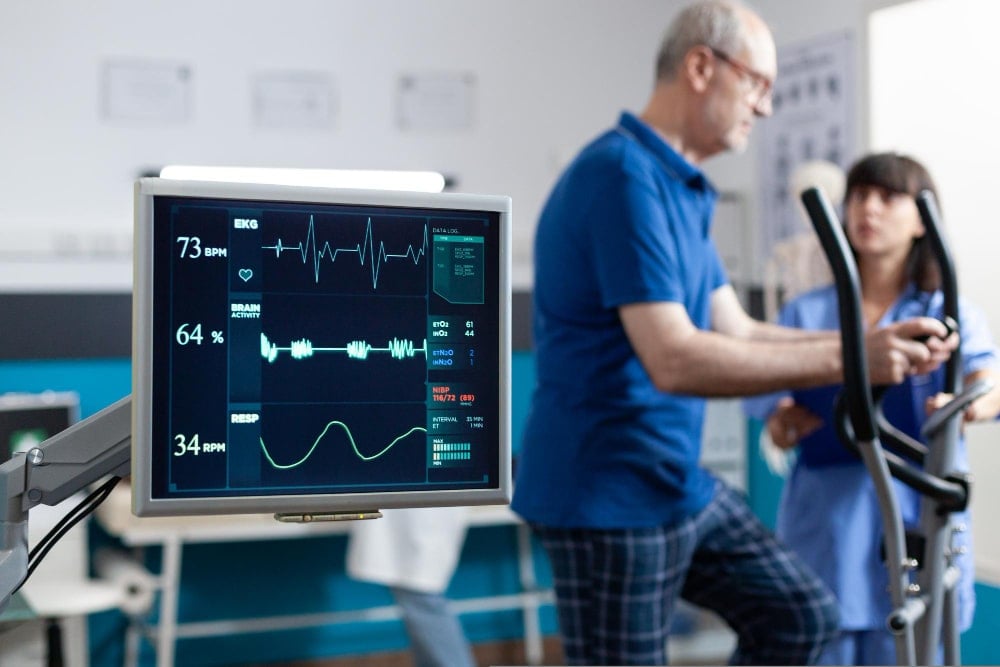
Arrhythmia often requires flexible leave arrangements due to its unpredictable and episodic nature.
Continuous leave is used when arrhythmia symptoms are severe enough to prevent regular work for a set period. This often applies during diagnostic evaluation, medication stabilization, or recovery after procedures such as ablation or cardioversion. It allows time away from work while the condition is being actively managed under medical supervision.
Intermittent leave is the most common option for arrhythmia because symptoms often occur in sudden and unpredictable episodes. Employees may need time off for brief but recurring events such as palpitations, dizziness, or shortness of breath, as well as for cardiology appointments, monitoring, or testing.
Reduced schedule leave may be recommended when an employee can still work but not at full capacity. This may involve shorter workdays or fewer weekly hours during periods of symptom adjustment, medication changes, or ongoing fatigue related to arrhythmia management.

Arrhythmia can shift from stable to disruptive without warning, which makes paperwork feel like an added burden at the exact moment clarity is needed most. MyFMLA is built to remove that friction by turning medical information into properly structured FMLA certification that employers can process without delays.
The process begins with a guided intake that focuses on how arrhythmia is affecting daily life and work. Patients share details such as episode frequency, symptom triggers, treatment history, and any limitations during flare-ups. This helps ensure the physician has a complete clinical picture before the consultation begins.
A licensed physician reviews the intake and conducts a video consultation. The focus is on understanding how the heart rhythm condition impacts function, including stamina, focus, safety, and consistency at work. Based on this evaluation, the provider determines whether FMLA criteria are met and what type of leave structure is appropriate.
Once the evaluation is complete, FMLA paperwork is finalized and delivered within a short turnaround time. The documentation is prepared to align with federal requirements and employer expectations, reducing the risk of rejection due to missing or unclear details. Patients receive ready-to-submit forms for their employer or leave administrator.
Living with arrhythmia often means managing uncertainty while trying to maintain a steady work routine. When symptoms interfere with attendance, focus, or safety, having proper documentation becomes essential for accessing protected leave.
MyFMLA provides a clear, physician-led process designed to simplify FMLA certification and reduce administrative stress. Whether you need intermittent leave for sudden episodes or continuous leave during treatment, the process is structured to support accuracy and speed.
Start your request today and connect with a licensed physician who can help you move forward with confidence, clarity, and proper medical documentation for your condition.