

HR teams don’t usually run into trouble with FMLA because of negligence; it happens in the gaps between policy and practice. A form gets delayed, a leave type is misunderstood, a certification arrives incomplete, and suddenly what should have been routine turns into a compliance headache.
This guide breaks down the most common FMLA HR mistakes and shows how HR teams can tighten processes without adding unnecessary complexity.
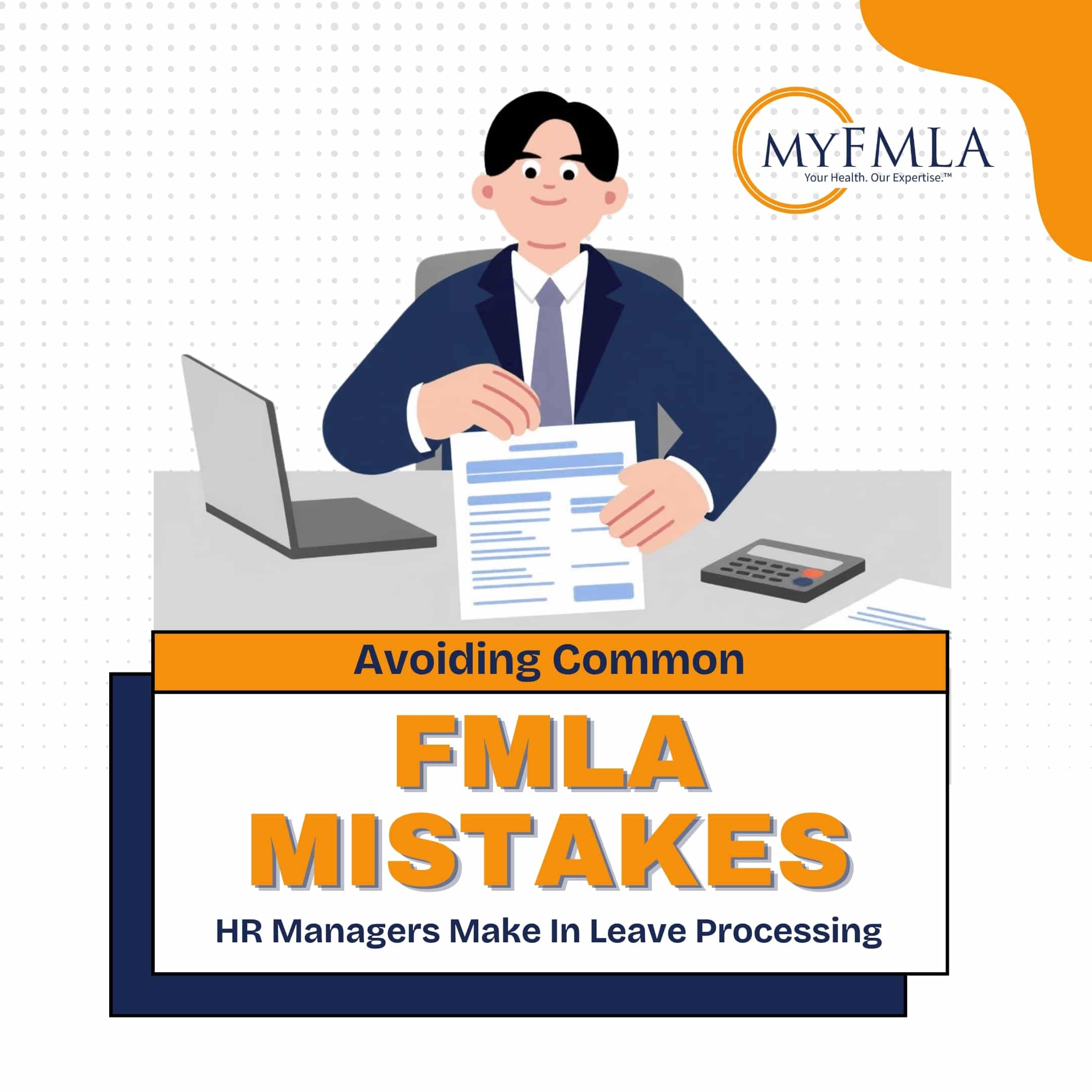
Misclassification and Eligibility Errors
One of the most persistent issues in intermittent FMLA management is incorrect classification of leave types, particularly when HR teams fail to distinguish continuous leave from episodic absences.
Many employers frequently struggle with tracking intermittent leave patterns, which increases operational disruption and legal exposure. Errors in intermittent leave classification often lead to inconsistent scheduling and misinterpretation of medical necessity. HR managers should verify eligibility criteria early to avoid retroactive corrections that complicate payroll and attendance systems.
Incomplete Documentation and Delayed Approvals
Incomplete or missing FMLA paperwork is one of the most frequent causes of delayed approvals, particularly when employees are unsure where or how to get FMLA paperwork filled out. The Department of Labor emphasizes strict timelines for employer responses, and delays can lead to compliance violations and employee grievances.
HR teams often underestimate the importance of standardized FMLA certification forms, resulting in repeated requests for clarification and processing backlogs. Organizations that adopt clear documentation protocols improve both compliance accuracy and employee experience during leave processing.
Implementing centralized tracking systems for digital FMLA certification submissions helps HR teams reduce administrative errors and maintain consistent approval timelines across departments, supporting better overall compliance outcomes system
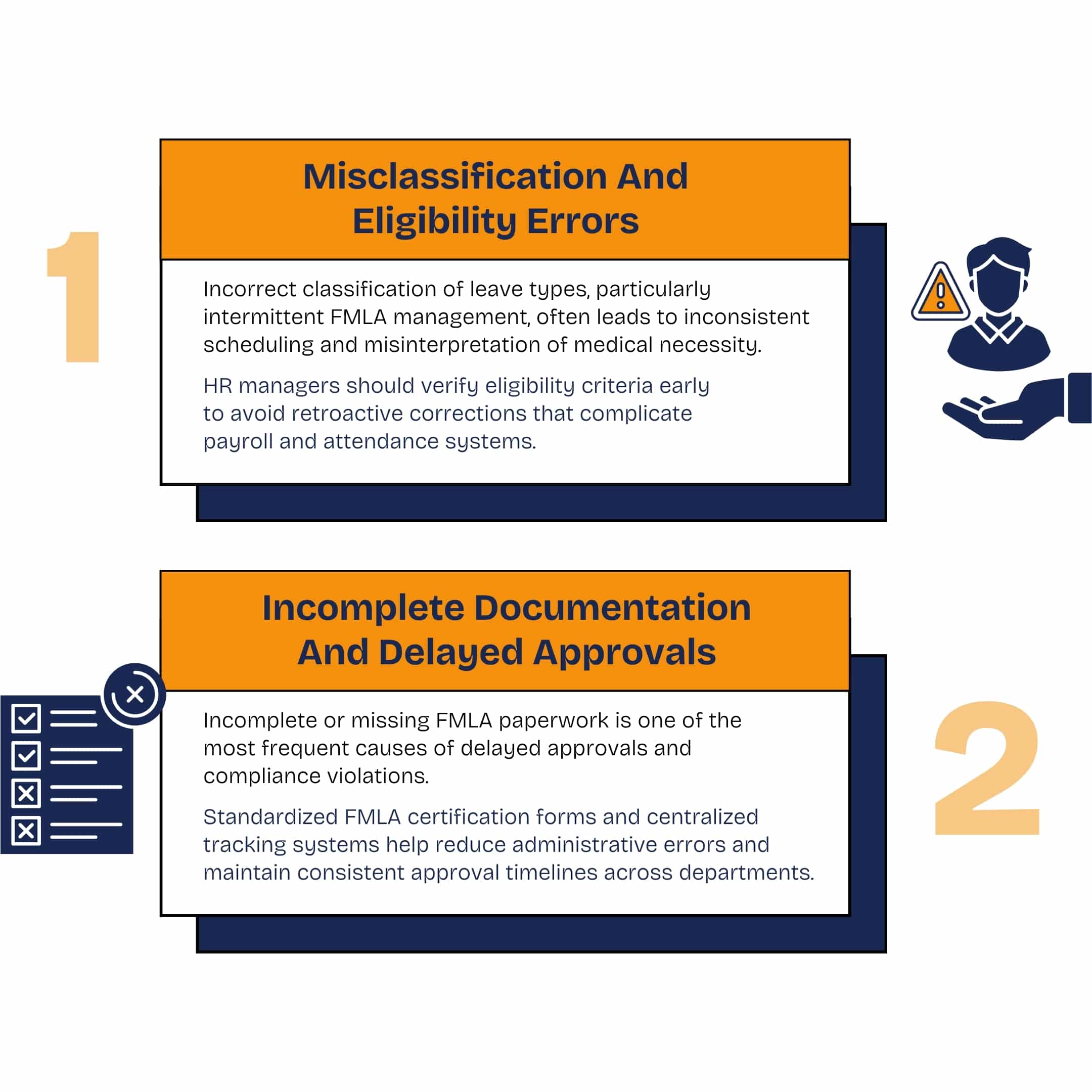
Mental Health and Intermittent Leave Management
Requests involving FMLA for mental health, including anxiety, depression, and PTSD, require careful handling due to fluctuating symptom patterns and episodic absences.
Clear documentation and consistent review of FMLA certification help ensure that intermittent leave is properly validated and aligned with medical necessity. Organizations should standardize responses for intermittent cases such as migraines, IBS, and chronic conditions to reduce confusion and improve processing speed consistency.
Image file name: sick-employee
Image alt text: a sick employee working on their laptop
Image caption: Managing employee leave successfully requires balancing compliance obligations with responsive, organized administrative support.
Strong FMLA administration depends on speed, accuracy, and clear documentation processes. When HR teams and employees both understand leave requirements, organizations reduce compliance risks, approval delays, and unnecessary disputes tied to incomplete certifications or inconsistent leave tracking.
For employees searching for reliable FMLA certification online, MyFMLA provides a structured online process designed specifically for FMLA documentation support. Users can upload documents through a secure portal, access support teams, and receive completed paperwork within defined turnaround windows, including same-day intermittent certification options for qualifying cases.
Take the stress out of getting your paperwork completed correctly and on time; contact us today.