Caring for a parent or spouse is one of the most common reasons employees need time away from work. A loved one may need surgery, ongoing treatment, recovery assistance, transportation to appointments, help with medication, or support after a serious illness. When those responsibilities become medically necessary and ongoing, FMLA for caregivers can provide important job protection.
The Family and Medical Leave Act allows eligible employees in the United States to take up to 12 workweeks of unpaid, job-protected leave in a 12-month period to care for a qualifying family member with a serious health condition.
The U.S. Department of Labor recognizes leave for care of a spouse, parent, or child when the family member’s condition meets the law’s definition of a serious health condition. That makes FMLA a critical resource for employees balancing work with caregiving responsibilities.
What makes caregiver leave different from personal medical leave is that the patient is not the employee. The person receiving care is a qualifying family member, and the certification process must show both the medical need and the family relationship. That is where many employees get stuck. They know a parent or spouse needs help, but they are not sure what documentation is required or how to explain the request to HR.
Understanding how FMLA for caregivers works can make the process much smoother.
Who qualifies as a family member under FMLA
One of the most important parts of caregiver leave is understanding who counts as a covered family member. FMLA is specific about this.
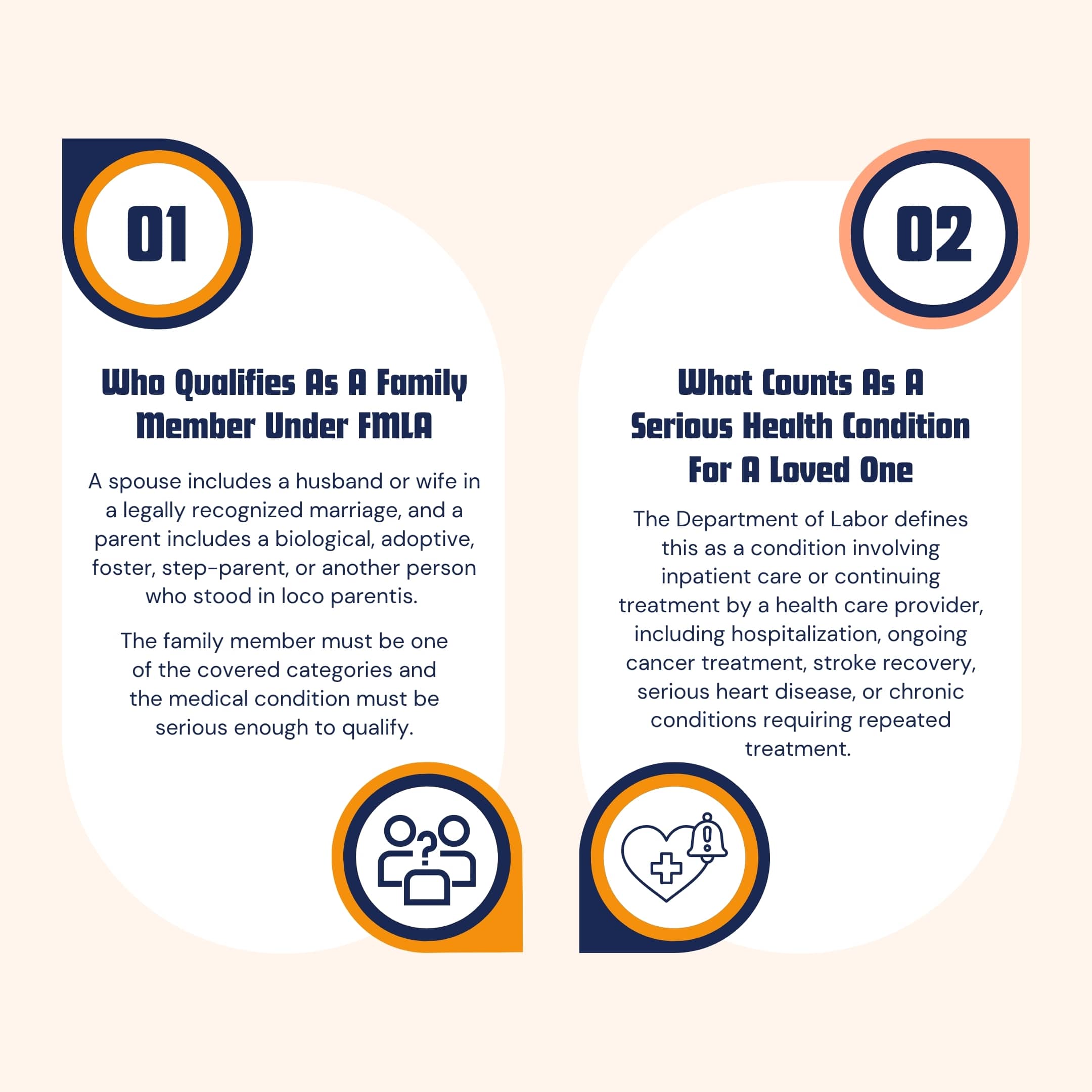
For caregiver leave, a spouse generally includes a husband or wife in a legally recognized marriage. A parent includes a biological parent, adoptive parent, foster parent, step-parent, or another person who stood in loco parentis to the employee when the employee was a child. That means the law looks at the caregiving relationship, not only blood ties.
This matters because many employees assume they can only use FMLA for a parent by birth or a spouse by legal title. In practice, the law is broader, especially when someone acted as a parent figure during childhood.
The key point is that the family member must be one of the covered categories, and the medical condition must be serious enough to qualify under FMLA rules.
What counts as a serious health condition for a loved one
To use FMLA for caregivers, the family member’s condition must be a serious health condition under the law. The Department of Labor generally defines this as a condition involving inpatient care or continuing treatment by a health care provider.
That can include situations such as:
- hospitalization after surgery or illness
- ongoing cancer treatment
- stroke recovery
- advanced heart disease
- serious neurological conditions
- recovery after major injury or surgery
- chronic conditions that require repeated medical treatment or supervision
The condition does not need to be permanent, but it must be medically serious enough to require care or supervision. Routine illnesses, minor injuries, or temporary discomfort usually do not qualify.
The employee requesting leave does not have to be the patient. The leave is specifically for caregiving. That may include helping a parent recover at home, accompanying a spouse to medical visits, or providing transportation, medication support, or daily care during treatment.
What FMLA caregiving leave can cover
Many employees think caregiving leave only applies when they are physically present in a hospital room. It actually covers a much wider range of support.
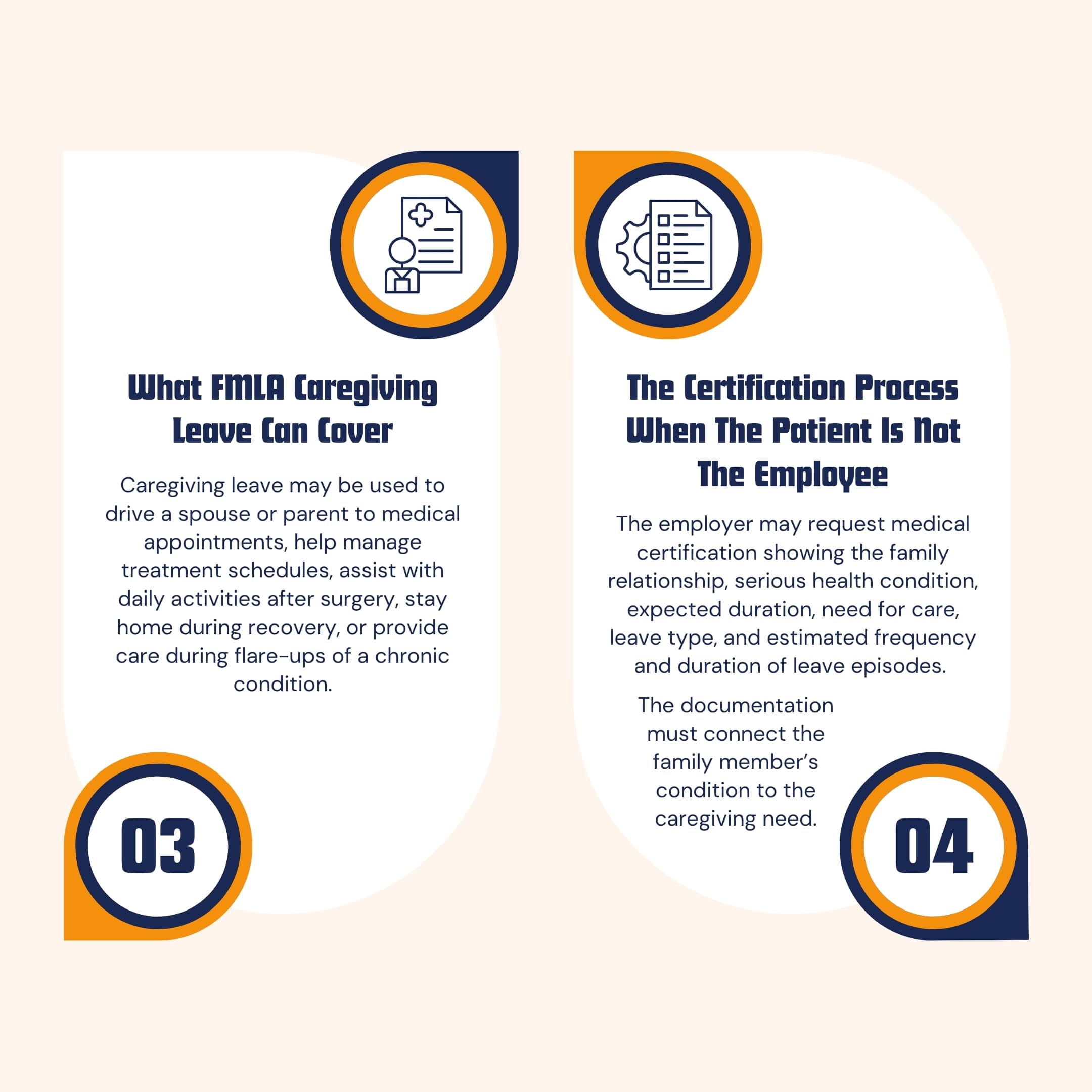
Caregiving leave may be used to:
- drive a spouse or parent to medical appointments
- help manage treatment schedules
- assist with daily activities after surgery
- stay home with a family member who is recovering
- provide care during flare-ups of a chronic condition
- help coordinate medications, meals, and follow-up care
In some cases, the employee may need to be present during treatment or recovery. In others, the employee may provide hands-on support at home. The law is intended to recognize the real burdens of caregiving, not just acute emergencies.
For many employees, this flexibility is what makes FMLA for caregivers so important. It allows them to remain employed while still stepping in when a parent or spouse truly needs help.
Continuous leave vs intermittent leave
Caregiving needs are not always constant. Sometimes a family member needs a single block of time off after surgery. Other times, the need is ongoing and unpredictable.
FMLA allows both continuous and intermittent leave when medically necessary.
Continuous leave
This is used when the employee needs to be away from work for a set period, such as helping a spouse recover after surgery or caring for a parent during hospitalization.
Intermittent leave
This is used when care is needed in separate blocks of time. That might include:
- repeated medical appointments
- ongoing treatment visits
- episodes of worsening symptoms
- short caregiving absences for a chronic condition
Intermittent leave is especially useful when a parent or spouse has a long-term condition that requires periodic assistance rather than full-time care.
The leave structure must match the medical need, which is why certification is so important.
The certification process when the patient is not the employee
This is where many employees need the most help. In FMLA for caregivers, the certification process focuses on the family member’s medical condition, not the employee’s condition.
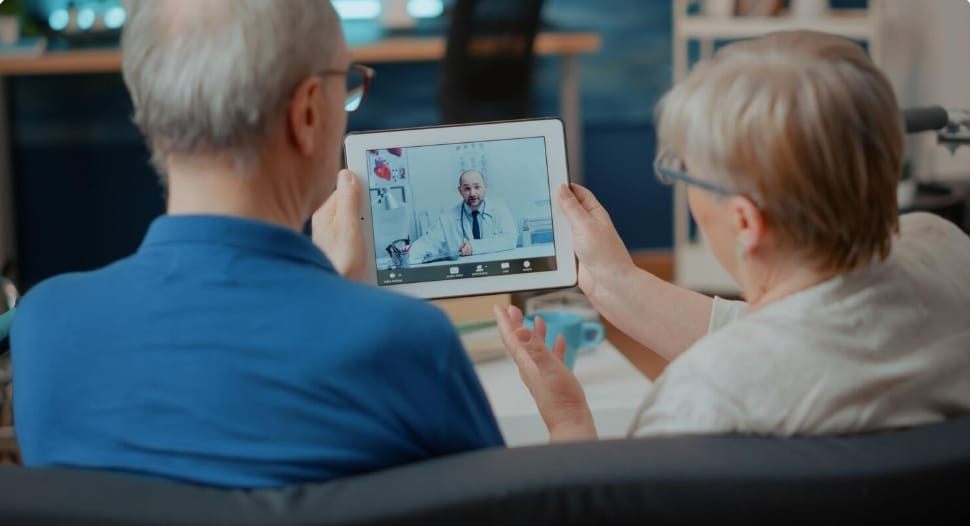
The employer may request medical certification showing:
- the qualifying family relationship
- the family member’s serious health condition
- the expected duration of the condition
- the need for the employee’s care
- whether leave will be continuous or intermittent
- the estimated frequency and duration of leave episodes, if applicable
That means the doctor is not evaluating the employee’s health. The provider is certifying that the parent or spouse has a serious condition that requires care, and that the employee’s presence is medically relevant to that care.
A common mistake is assuming a simple note saying “patient needs help” is enough. It usually is not. The documentation must connect the family member’s condition to the caregiving need.
Why HR asks for more than a basic doctor note
Employers need enough information to verify that leave qualifies under FMLA. They are not asking for a full medical record, but they do need details that support the request.
That usually includes:
- the name of the family member
- the relationship to the employee
- the medical facts supporting the serious health condition
- the period during which leave is needed
- whether the employee will need to care for the family member in blocks of time
For intermittent leave, HR often needs estimates of how often absences may happen and how long they may last. That helps employers track usage and maintain compliance.
This is one reason FMLA caregiver requests can take time. If the certification is incomplete, HR may return it for clarification, which slows the leave process. When time is urgent, that delay can create stress for both the employee and the family member.
Common caregiving situations that may qualify
Caregiver leave is often used in situations involving:
- recovery after surgery
- cancer treatment
- stroke rehabilitation
- chronic illness management
- serious heart conditions
- dementia-related care support
- recovery from major injury
A spouse or parent may not need full-time nursing care, but still require significant help with transportation, monitoring, meal support, and follow-up appointments. FMLA exists to support those caregiving responsibilities when the medical condition is serious enough.
It is also important to note that caregiving can be emotionally and physically exhausting. Employees often keep working until they are stretched too thin, then try to handle leave paperwork at the last minute. That is usually when delays happen.
What employees should do before requesting leave
Anyone seeking FMLA for caregivers should prepare the request as early as possible. The process usually goes more smoothly when the employee already knows:
- who is receiving care
- what the relationship is
- what the medical condition is
- whether the leave will be continuous or intermittent
- what dates are likely involved
It also helps to notify the employer as soon as the need for leave becomes foreseeable. If the situation is sudden, the employee should notify HR as soon as practical.
The better the paperwork is organized at the beginning, the less likely the request is to stall in the middle.
How telemedicine can help with caregiver certification
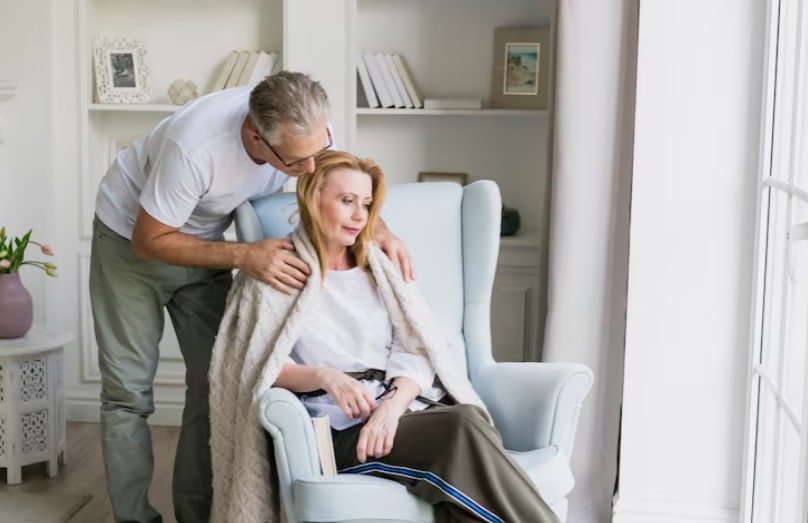
Telemedicine has made caregiver documentation easier for many families. Instead of waiting for in-person visits, employees and family members can often complete evaluations more quickly through virtual appointments. That can be especially helpful when a parent or spouse is too ill to travel easily, or when the caregiver is balancing work, transportation, and caregiving at the same time.
Telemedicine can reduce delays in:
- initial evaluation
- paperwork completion
- follow-up clarification
- certification turnaround
When leave is urgent, faster access to a provider can make a major difference.
Get help with FMLA for caregivers
Caring for a parent or spouse should not be made harder by paperwork delays. When a loved one has a serious health condition, timely medical certification can help protect your job while you provide the care your family needs.
MyFMLA helps simplify FMLA for caregivers by connecting employees with licensed providers who can complete required medical certification through a streamlined online process. Whether you need leave for a spouse after surgery, a parent with a chronic illness, or intermittent caregiving support for ongoing treatment, MyFMLA makes the process easier to manage and faster to complete.
If caregiving responsibilities are affecting your work schedule, MyFMLA can help you move from uncertainty to documentation with less delay and less stress. With the right documentation and a clear process, FMLA for caregivers can provide the space needed to support a loved one without sacrificing employment stability.
Call now for more information regarding FMLA for caregivers.