High blood pressure often develops quietly, without obvious warning signs, yet it can have serious long-term effects if left unaddressed. Many people only begin to pay attention when symptoms become disruptive, but early awareness can make a significant difference. Understanding high blood pressure symptoms helps you take control before complications arise and enables you to manage your condition more effectively.
Blood pressure does not rise overnight. It builds gradually, influenced by daily habits, stress levels, and overall health patterns. When you learn to recognize the early signals, you position yourself to take action before the condition escalates.
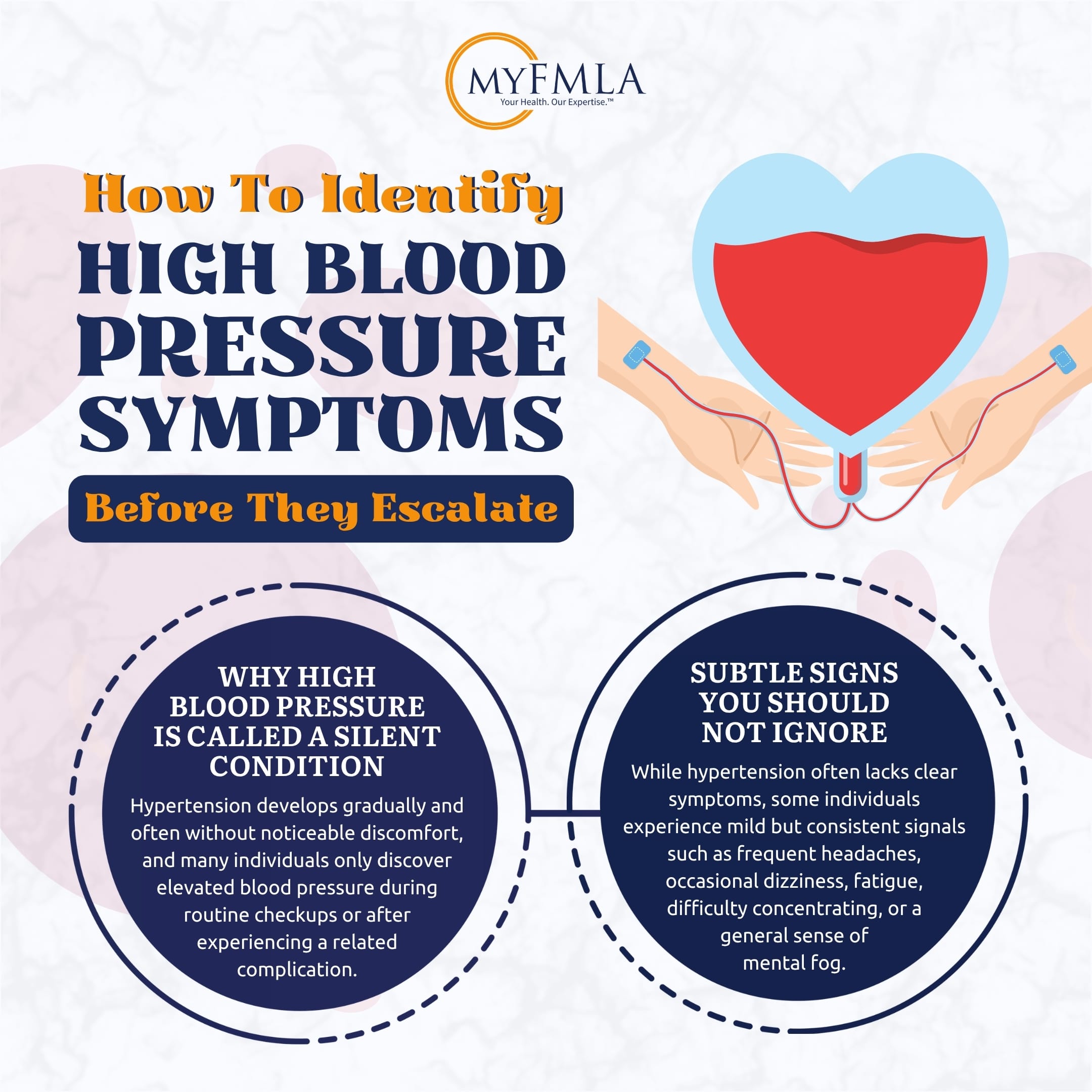
Why High Blood Pressure Is Called a Silent Condition
Hypertension develops gradually and often without noticeable discomfort. Unlike conditions that cause immediate pain or disruption, high blood pressure can exist for years without drawing attention. During this time, the heart and blood vessels may already be under strain.
The term “silent condition” reflects this lack of obvious symptoms. Many individuals only discover elevated blood pressure during routine checkups or after experiencing a related complication. This delayed detection highlights the importance of understanding high blood pressure symptoms broadly. Rather than relying on dramatic warning signs, you need to recognize patterns and changes that may otherwise go unnoticed.
Subtle Signs You Should Not Ignore
While hypertension often lacks clear symptoms, some individuals experience mild but consistent signals. These may include frequent headaches, especially in the morning, or a sense of pressure around the temples. Some people report occasional dizziness or a feeling of imbalance without an obvious cause.
Fatigue can also play a role. When blood pressure remains elevated, the heart works harder to circulate blood, which may lead to reduced energy levels over time. Difficulty concentrating or a general sense of mental fog may also appear.
These signs alone do not confirm hypertension, but they provide important context. When you notice patterns rather than isolated events, it becomes easier to connect them to potential high blood pressure symptoms and take appropriate action.
Understanding More Noticeable Warning Signs
As blood pressure rises further, symptoms may become more pronounced. Some individuals experience shortness of breath during routine activities or mild chest discomfort. Others notice vision changes, such as blurred or double vision, which can result from pressure affecting the blood vessels in the eyes.
In certain cases, nosebleeds or a persistent pounding sensation in the chest, neck, or ears may occur. These signs often indicate elevated blood pressure and require immediate attention.
Recognizing these more noticeable high blood pressure symptoms allows individuals to seek care before complications worsen. Early intervention can prevent more serious outcomes and support long-term stability.
The Link Between Symptoms and Daily Lifestyle
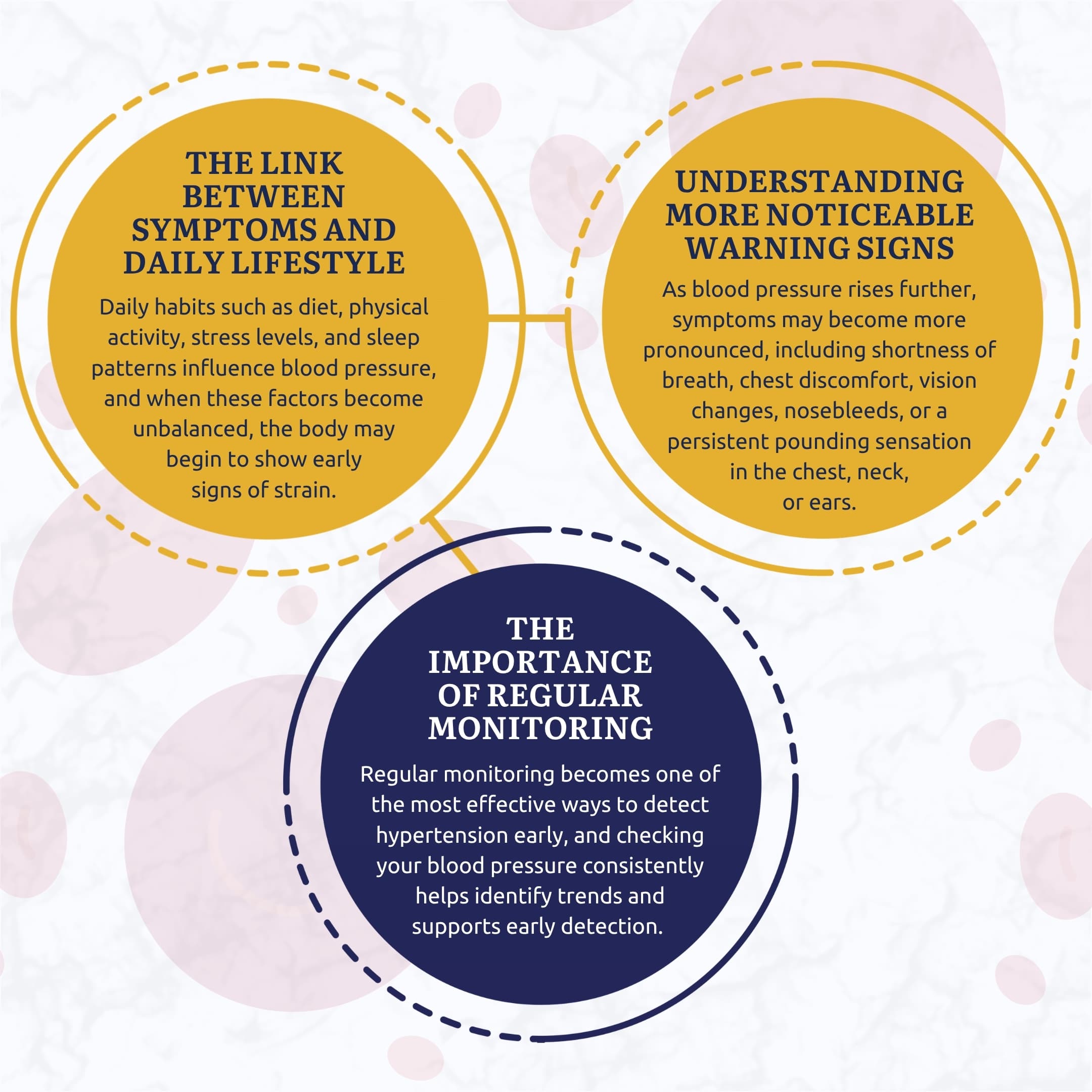
Daily habits play a significant role in how hypertension develops and presents. Diet, physical activity, stress levels, and sleep patterns all influence blood pressure. When these factors become unbalanced, the body may begin to show early signs of strain.
For example, high sodium intake can lead to fluid retention, which increases arterial pressure. Chronic stress triggers hormonal responses that raise heart rate and constrict blood vessels. Lack of physical activity reduces the heart’s efficiency, making it work harder over time.
Understanding how lifestyle factors relate to high blood pressure symptoms helps you identify areas where small adjustments can lead to meaningful improvements. This awareness supports a more proactive approach to health.
The Importance of Regular Monitoring
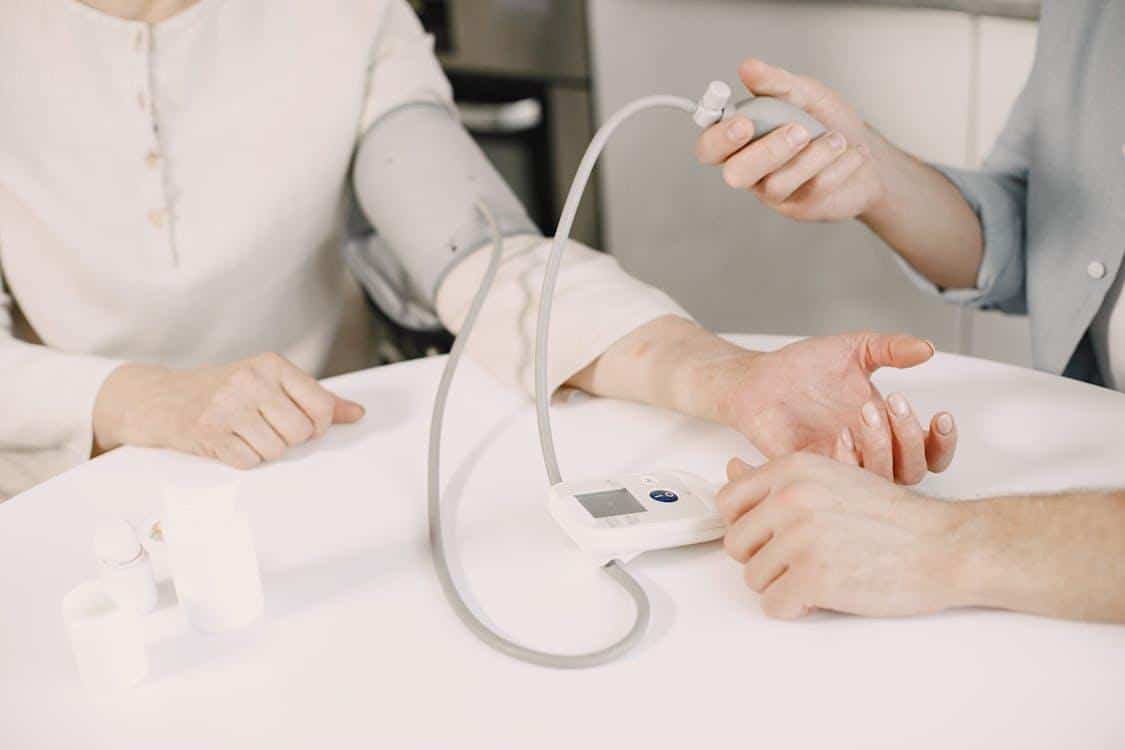
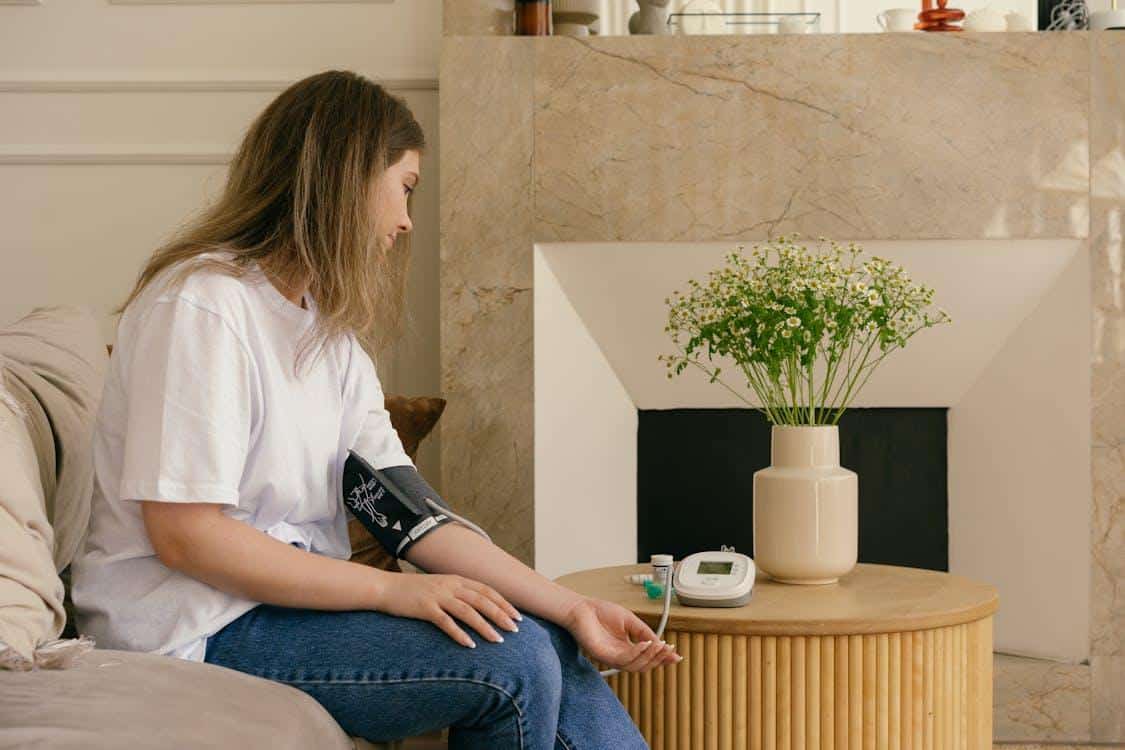
Because symptoms may not always be obvious, regular monitoring becomes one of the most effective ways to detect hypertension early. Home blood pressure monitors provide a convenient way to track readings and identify trends over time.
Checking your blood pressure at consistent times each day allows you to understand how your body responds to different activities, meals, and stress levels. Keeping a record of these readings provides valuable information that you can share with a healthcare provider.
When you combine monitoring with an understanding of high blood pressure symptoms, you create a more complete picture of your health. This approach reduces uncertainty and supports early detection.
When to Seek Medical Evaluation
While lifestyle changes and monitoring are important, medical evaluation is necessary when blood pressure readings remain consistently elevated or when symptoms become more noticeable. A healthcare provider can assess your condition, identify contributing factors, and recommend appropriate treatment.
Early evaluation helps prevent long-term damage to the heart and blood vessels. It also ensures that any underlying conditions are identified and managed appropriately. Taking this step early can significantly reduce the risk of complications.
For individuals whose symptoms begin to affect their ability to maintain regular work schedules, exploring options like FMLA for high blood pressure may become relevant. Structured support lets you focus on managing your health without added stress.
How Early Detection Prevents Escalation
Early detection is one of the most effective ways to prevent hypertension from progressing to more serious conditions. When individuals recognize warning signs and take action, they reduce the likelihood of long-term complications such as heart disease or stroke.
This process involves more than identifying symptoms. It requires consistent follow-through, including lifestyle adjustments, monitoring, and medical guidance when needed. Each step contributes to a more stable and controlled health outcome.
By staying aware of high blood pressure symptoms, you create opportunities to intervene early and maintain better overall health.
Integrating Prevention into Daily Life
Preventing escalation requires a balanced approach that integrates healthy habits into everyday routines. This includes maintaining a balanced diet, staying physically active, managing stress, and getting adequate rest.
Consistency matters more than perfection. Small, steady improvements create lasting results. When you build routines that support cardiovascular health, you reduce the strain on your body and improve your ability to manage blood pressure effectively.
Understanding high blood pressure symptoms in the context of daily life helps you make informed decisions that support long-term well-being.
Supporting Your Health with the Right Resources
Managing hypertension involves both personal effort and access to the right resources. Healthcare providers, monitoring tools, and structured support systems all contribute to better outcomes. When symptoms begin to interfere with daily responsibilities, additional support may be necessary.
Options like FMLA certification online provide a structured way to manage health concerns while maintaining work stability. Having access to these resources ensures that you can prioritize your health without compromising your responsibilities.
Taking Action Before Symptoms Worsen
High blood pressure does not need to reach critical levels before you take action. Recognizing early signs, monitoring your health, and seeking guidance when needed all contribute to better outcomes.
When you understand the symptoms of high blood pressure, you shift from uncertainty to awareness. This shift empowers you to make decisions that protect your long-term health and prevent unnecessary complications.
If you’re noticing high blood pressure symptoms and your condition begins to affect your work routine, you can take the next step with myFMLA. Start your online FMLA certification today through a secure, streamlined process and get the support you need to manage your health with confidence.