High blood pressure often develops quietly, without obvious symptoms, yet it can have a lasting impact on overall health if left unmanaged. Many people only discover elevated blood pressure during routine checkups, long after it has begun affecting the body. The good news is that with consistent habits and informed decisions, you can manage high blood pressure at home and reduce the risk of complications over time.
Managing blood pressure is not about making one drastic change. It involves building a daily routine that supports heart health. From diet and physical activity to stress management and monitoring, small adjustments can create meaningful improvements. Understanding how these elements work together helps you practically and sustainably take control of your health.
Understanding What High Blood Pressure Means
High blood pressure, also known as hypertension, occurs when the force of blood against the artery walls remains consistently elevated. Over time, this pressure can strain the heart and damage blood vessels, increasing the risk of heart disease, stroke, and other health concerns.
When you begin to manage high blood pressure at home, you shift from reactive care to proactive control. Instead of waiting for symptoms or complications, you actively support your cardiovascular system through daily habits. This approach allows you to stay ahead of potential issues and maintain a more stable baseline.
Building a Heart-Healthy Diet at Home
Diet plays a central role in controlling blood pressure. What you eat directly influences how your body regulates sodium levels, fluid balance, and overall vascular health. A balanced diet focuses on whole foods that support heart function rather than processed items that may contribute to elevated pressure.
Fresh vegetables, fruits, whole grains, and plant-based proteins create a strong foundation. Reducing sodium intake is equally important, as excess salt can lead to fluid retention and increased arterial pressure. Many packaged foods contain hidden sodium, so preparing meals at home gives you greater control over ingredients.
When you consistently manage high blood pressure at home through diet, you create a steady environment for your body to function more efficiently. Over time, these choices can contribute to more stable readings and improved overall health.

The Role of Physical Activity in Blood Pressure Control
Regular physical activity helps the heart work more efficiently and reduces blood vessel resistance. Even moderate movement can make a noticeable difference when practiced consistently. Walking, light strength training, and low-impact exercises all support cardiovascular health without requiring intense routines.
The key is consistency rather than intensity. Establishing a routine that fits your schedule makes it easier to maintain over time. Physical activity also supports weight management, which can further reduce strain on the heart.
When you incorporate movement into your routine, you strengthen your ability to manage high blood pressure at home without relying solely on reactive measures. This balance creates a more stable and sustainable approach to long-term health.

Managing Stress and Its Impact on Blood Pressure
Stress often plays an underestimated role in blood pressure management. When the body experiences stress, it releases hormones that temporarily increase heart rate and constrict blood vessels. Repeated exposure to stress can contribute to long-term elevation in blood pressure.
Developing stress management techniques helps counter these effects. Practices such as deep breathing, mindfulness, and structured relaxation can create a noticeable shift in how the body responds to daily pressures. Even small moments of intentional calm can make a difference over time.
As you work to manage high blood pressure at home, addressing stress becomes just as important as diet and exercise. A balanced routine supports both physical and mental well-being, creating a more comprehensive approach to health.
Creating a Consistent Monitoring Routine
Tracking your blood pressure at home provides valuable insight into how your body responds to daily habits. Regular monitoring helps you identify patterns, understand triggers, and make informed adjustments.
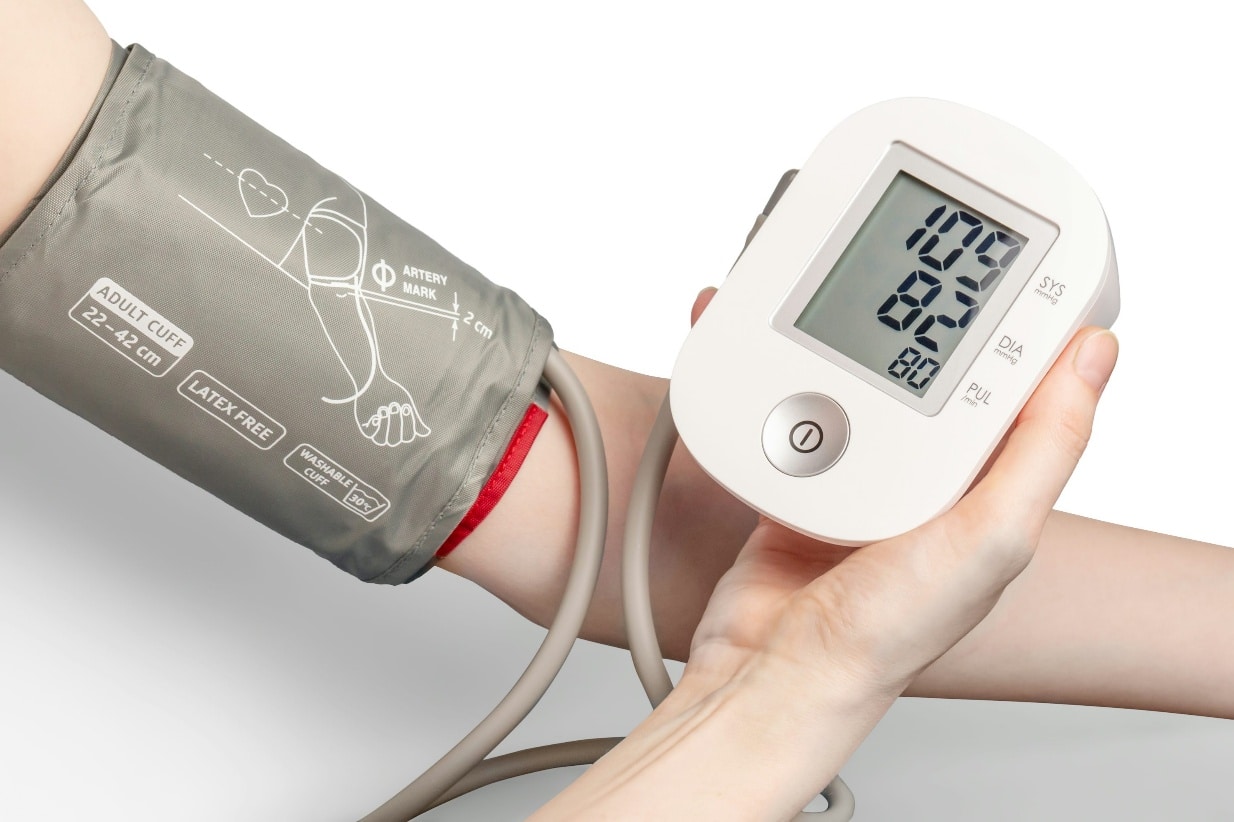
Using a reliable home blood pressure monitor lets you check your readings at consistent times each day. Keeping a simple log of these readings helps you and your healthcare provider evaluate progress over time. This level of awareness supports early detection of changes and encourages more proactive management.
When you consistently manage high blood pressure at home, monitoring becomes a tool for empowerment rather than a source of stress. It gives you a clearer picture of your health and reinforces the impact of your daily choices.
When Lifestyle Changes Are Not Enough
While lifestyle adjustments can significantly improve blood pressure, some individuals require additional medical support. Genetics, underlying conditions, and long-term health history can all influence how the body responds to home-based strategies.
If your readings remain consistently high despite making changes, it may be time to seek medical evaluation. A healthcare provider can assess your condition, recommend appropriate treatment, and determine whether medication or further intervention is necessary.
In some cases, high blood pressure may begin to affect your ability to maintain consistent work performance. When symptoms such as fatigue, headaches, or related complications interfere with daily responsibilities, exploring options like FMLA may become relevant for high blood pressure. Understanding how to balance health and work responsibilities ensures that you receive the support you need without added stress.
Integrating Daily Habits for Long-Term Stability
Managing blood pressure effectively requires consistency across multiple areas of life. Diet, movement, stress management, and monitoring all contribute to a stable foundation. No single change works in isolation; together, they create a system that supports long-term health.
As you continue to manage high blood pressure at home, focus on building habits that feel realistic and sustainable. Quick fixes rarely lead to lasting results, while steady routines create meaningful progress over time. This approach allows you to maintain control without feeling overwhelmed.
Recognizing the Importance of Medical Supervision
Even when you take an active role in managing your health, professional guidance remains essential. Regular checkups provide an opportunity to review your progress, adjust your plan, and address any new concerns. Medical supervision ensures that your efforts align with your overall health needs.
For individuals balancing health challenges with work responsibilities, proper documentation may also be important. Understanding processes like FMLA certification online can help you navigate situations where medical conditions impact your ability to work consistently. Having structured support in place reduces uncertainty and allows you to focus on your health.
Taking Control of Your Health with Confidence
Managing high blood pressure does not require perfection. It requires awareness, consistency, and a willingness to make gradual improvements. By focusing on practical steps and realistic routines, you create a system that supports both your physical and mental well-being.
When you commit to managing high blood pressure at home, you take an active role in protecting your long-term health. Each choice you make contributes to a stronger foundation, helping you maintain stability and reduce the risk of complications over time.
If managing your condition starts to affect your ability to work, you can take the next step with myFMLA. Start your FMLA certification online today through a secure, streamlined process and get the documentation you need to support your health while maintaining your responsibilities.