High blood pressure affects millions of people, yet many do not fully understand how different forms of hypertension impact long-term heart health. Blood pressure does not rise for the same reasons in every individual, and recognizing these differences is critical to prevention and treatment. When you understand the types of hypertension heart disease, you gain a clearer picture of how this condition develops and how it can affect your cardiovascular system over time.
Hypertension often progresses silently, without noticeable symptoms, but it can place ongoing strain on the heart and blood vessels. Over time, this strain increases the risk of serious conditions such as heart disease, stroke, and kidney complications. By identifying the type of hypertension and its underlying causes, individuals can take more targeted steps to manage their health and reduce long-term risks.
What Hypertension Means for Heart Health
Hypertension occurs when the force of blood against artery walls remains consistently elevated. This persistent pressure forces the heart to work harder than normal, gradually weakening its efficiency. Blood vessels may become less flexible, increasing resistance and further elevating pressure levels.
When you examine the connection between types of hypertension and heart disease, you begin to see how untreated or poorly managed blood pressure contributes directly to cardiovascular strain. Over time, this can lead to thickened heart muscles, reduced blood flow, and an increased likelihood of heart-related complications. Understanding this connection is the first step toward proactive management.
Primary Hypertension: The Most Common Form
Primary hypertension, also known as essential hypertension, develops gradually over time without a single identifiable cause. This type accounts for the majority of cases and often results from a combination of genetic, environmental, and lifestyle factors.
Diet, physical inactivity, stress, and long-term habits all contribute to the development of primary hypertension. Because it progresses slowly, individuals may not notice symptoms until their blood pressure rises. This makes regular monitoring essential.
The relationship between hypertension and heart disease becomes particularly important here. Primary hypertension may seem manageable in its early stages, but prolonged elevation can significantly increase the risk of heart disease if left untreated.

Secondary Hypertension: Identifying Underlying Causes
Secondary hypertension occurs when an underlying condition directly causes elevated blood pressure. This form tends to appear more suddenly and may reach higher levels compared to primary hypertension. Common causes include kidney disease, hormonal disorders, and certain medications.
Because secondary hypertension has a clear source, identifying and treating the underlying condition often leads to better blood pressure control. However, if left unaddressed, it can accelerate cardiovascular damage more quickly than primary hypertension.
Understanding types of hypertension and heart disease in this context helps highlight the importance of early diagnosis. When healthcare providers identify the root cause, they can implement targeted interventions that reduce long-term risks.

White Coat and Masked Hypertension
Some individuals experience elevated blood pressure readings only in clinical settings, a condition known as white coat hypertension. Anxiety during medical visits can temporarily increase blood pressure, leading to readings that may not reflect everyday levels.
On the other hand, masked hypertension occurs when blood pressure appears normal during clinical visits but remains elevated in daily life. This condition often goes undetected and can still contribute to long-term cardiovascular risks.
Both forms play a role in the broader discussion of types of heart disease. Accurate diagnosis requires consistent monitoring outside of clinical environments to ensure that blood pressure patterns reflect real-world conditions.
Resistant Hypertension and Long-Term Risk
Resistant hypertension refers to blood pressure that remains high despite the use of multiple medications and lifestyle adjustments. This form often indicates a more complex interaction of factors, including underlying health conditions or treatment resistance.
Individuals with resistant hypertension face a higher risk of cardiovascular complications due to prolonged exposure to elevated pressure levels. This reinforces the importance of specialized care and consistent monitoring.
When examining types of hypertension heart disease, resistant hypertension highlights how persistent elevation can significantly increase the burden on the heart, leading to more advanced complications over time.
Contributing Factors That Influence Hypertension
Several factors influence the development and progression of hypertension. Lifestyle habits such as diet, physical activity, and stress management play a central role. High sodium intake, low physical activity, and chronic stress can all contribute to elevated blood pressure.
Genetics also plays a significant role, as individuals with a family history of hypertension may be more likely to develop the condition. Age further increases risk, as blood vessels naturally lose elasticity over time.
Understanding these contributing factors helps individuals take proactive steps to manage their condition. When you consider the broader picture of types of hypertension and heart disease, these elements provide context for why certain individuals face higher risks than others.
Long-Term Health Implications
Uncontrolled hypertension can lead to a range of serious health issues beyond heart disease. Over time, elevated pressure can damage blood vessels, reducing their ability to function properly. This damage increases the risk of stroke, kidney disease, and vision problems.
The heart, in particular, experiences significant strain. It must work harder to pump blood, which can lead to thickening of the heart muscle and reduced efficiency. Eventually, this can contribute to heart failure or other cardiovascular complications.
By understanding the types of hypertension and heart disease, individuals can better appreciate the long-term consequences of unmanaged blood pressure and take steps to prevent these outcomes.
The Importance of Early Detection and Monitoring
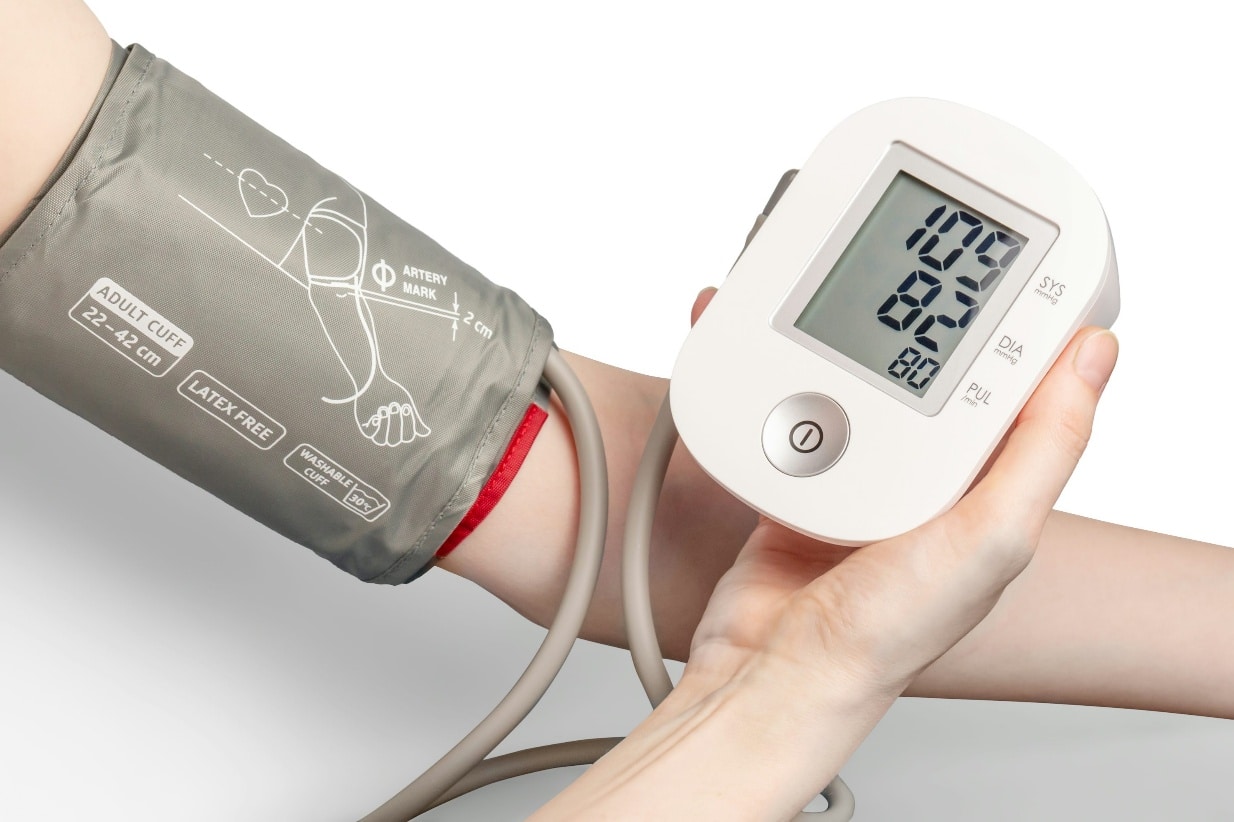
Early detection plays a critical role in effectively managing hypertension. Regular blood pressure checks allow individuals to identify changes before they lead to complications. Home monitoring provides additional insight into daily patterns and helps guide lifestyle adjustments.
When individuals actively track their blood pressure, they gain a clearer understanding of how different factors affect their readings. This awareness supports more informed decisions and encourages consistent management.
The connection between types of hypertension and heart disease becomes more manageable when individuals take a proactive approach to monitoring and care.
When Medical Supervision Becomes Necessary
While lifestyle changes can significantly improve blood pressure, some individuals require medical intervention to achieve stable control. Healthcare providers can recommend treatment plans that may include medication, further testing, or specialized care.
In cases where hypertension begins to affect daily functioning or work performance, additional support may be necessary. Persistent symptoms such as fatigue, headaches, or complications can interfere with routine responsibilities.
At this stage, individuals may consider options such as FMLA for hypertension to manage their health while maintaining job stability. Understanding how to access structured support ensures that health concerns do not create unnecessary stress.
Integrating Health Management with Daily Life
Managing hypertension requires a balanced approach that integrates health practices into daily routines. Consistency in diet, physical activity, stress management, and monitoring creates a strong foundation for long-term stability.
When individuals take an active role in their health, they reduce the risk of complications and improve overall quality of life. This proactive approach supports both physical well-being and peace of mind.
As you continue to explore types of hypertension and heart disease, remember that effective management is not about perfection. It is about building sustainable habits that support long-term cardiovascular health.
If your condition begins to impact your ability to work, you can take the next step with myFMLA. Start your online FMLA certification today through a secure, streamlined process and get the documentation you need to support your health and maintain stability.