
The Family and Medical Leave Act (FMLA) is a federal law enacted in 1993 that provides eligible employees with job-protected, unpaid leave for qualified medical and family reasons. The FMLA ensures that employees do not have to choose between their health or family needs and job security. This law covers various health conditions, including gastrointestinal diseases, which may require extended periods of medical care and treatment in a medical care facility.

FMLA grants eligible employees up to 12 weeks of unpaid leave within a 12-month period while ensuring job security. Employees returning from FMLA leave must be reinstated to the same or an equivalent position with the same pay, benefits, and employment opportunities. This statutory requirement protects individuals with disabilities and those experiencing chronic illnesses that impair major life activities.
Under FMLA, employers must maintain the employee’s group health insurance coverage during their leave under the same conditions as if they were still working. Employees with disabilities or chronic conditions requiring ongoing medical care will benefit from this protection, ensuring continuity in medical treatments, prescription drugs, and access to a provider of health care.

Gastrointestinal (GI) disorders can significantly affect major life activities, impacting individuals’ ability to perform daily tasks, maintain employment, and receive medical care. Several GI conditions may qualify for FMLA protection, including:
IBS is a chronic health condition characterized by abdominal pain, bloating, and altered bowel habits. This disorder can be triggered by stress, dietary factors, and other medical conditions, leading to episodic periods of illness and requiring medical treatments.
Crohn’s disease is a type of inflammatory bowel disease (IBD) that causes inflammation of the digestive tract. It may require periods of inpatient care, prescription medication, and health care services to manage symptoms.

This chronic illness affects the colon and rectum, leading to inflammation and ulcers. The condition may require medical certification to qualify for FMLA leave due to the severity of symptoms, medical care, and periods of time spent in a medical care facility.
IBD is an umbrella term that includes Crohn’s disease and ulcerative colitis. These chronic conditions can cause severe diarrhea, fatigue, weight loss, and malnutrition, requiring extensive health care services and prescription medication.
Celiac disease is a food-related disease where gluten intake damages the small intestine, leading to nutrient malabsorption. This condition requires strict dietary management and can cause significant gastrointestinal care needs, affecting an individual’s ability to perform daily activities.
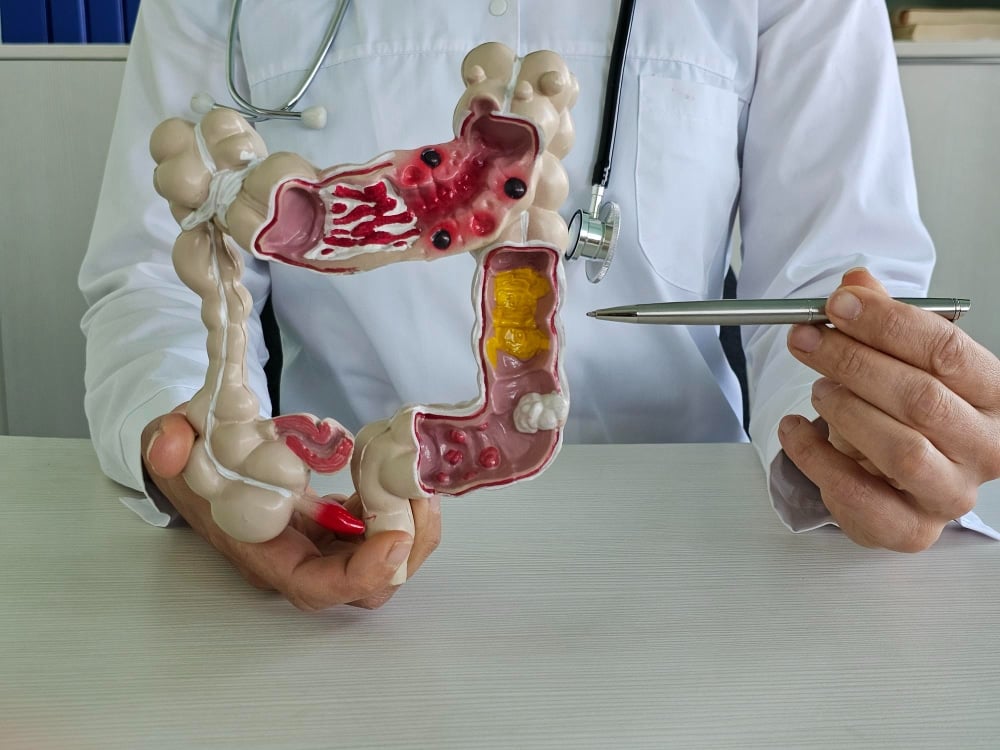
GERD is a chronic gastrointestinal disease where stomach acid frequently flows back into the esophagus, leading to heartburn and potential complications like minor ulcers and other serious health conditions.
Pancreatitis involves inflammation of the pancreas, leading to severe abdominal pain, nausea, and vomiting. This condition may require inpatient care, extended periods of medical treatment, and the use of prescription drugs to manage symptoms.

Peptic ulcers are sores that develop in the stomach lining due to bacterial infection or excessive use of prescription drugs like NSAIDs. This health condition can cause significant discomfort and necessitate medical treatments, sometimes requiring days for treatment and follow-up care.
Eligible employees must meet specific regulatory criteria to qualify for FMLA leave. Employees must have worked for their employer for at least 12 months, completed a minimum of 1,250 hours of service during the previous year, and be employed at a workplace with at least 50 employees within a 75-mile radius. Employees with disabilities and chronic health conditions often meet these regulatory definitions and criteria for leave.

Employees must submit a formal request for FMLA leave to their employer, providing timely notice of their need for leave. The wage and hour division oversees compliance with these regulations.
Employers are required to inform employees of their eligibility for FMLA within five business days of receiving a request. At this time, the employer may request certification from a healthcare provider. If requested, the healthcare certification form must be submitted within fifteen days. Adhering to these timelines and reporting requirements is essential to avoid unnecessary delays.
Employers may require medical certification from a qualified health care provider detailing the condition’s severity, treatment plan, and necessity for leave. The medical certification process ensures that leave is granted for valid medical reasons.

Employees should approach their human resources (HR) department to discuss their condition confidentially and explore available leave options. Employer commenters have noted that providing sufficient documentation can facilitate a smooth approval process.
Clear, honest, and proactive communication can help employees secure job security and reasonable accommodations under FMLA and ADA guidelines.

Under the Americans with Disabilities Act (ADA), individuals with disabilities can request reasonable accommodations such as flexible work schedules, telecommuting options, or additional break times. Employers must consider these accommodations unless they create an undue hardship.
The ADA protects employees with disabilities, ensuring they receive necessary accommodations without undue hardship to the employer. Employees can also request modifications in their work environment to reduce the stress level associated with their condition.

Gastrointestinal diseases can lead to reduced productivity due to chronic pain, frequent bathroom breaks, and fatigue. Employees with disabilities often require periodic absences to manage their condition effectively.
Employers can implement accommodations like flexible scheduling and remote work options to support employees with chronic conditions. Comments from employees suggest that better support systems improve overall workplace performance.

This insurance provides financial assistance to employees unable to work due to severe medical conditions, including gastrointestinal diseases and mental impairments that result from chronic illness.
Employees must submit medical documentation and evidence of their inability to work due to their physical impairment or mental impairment. The department of labor and the society for human resource management provide resources to help employees navigate this process.

Common reasons include insufficient medical certification, missing deadlines, or the employer’s determination that the condition does not meet the regulatory definition of a serious health condition. Food service employers and other industries may have specific concerns regarding staffing challenges during leave periods.
Employees can challenge denials by submitting additional documentation from a health care provider and seeking assistance from legal professionals. The American Federation of Labor provides advocacy resources for workers.

GI diseases contribute significantly to healthcare costs due to frequent doctor visits, prescription drugs, and hospitalization. The employment standards administration tracks the financial burden associated with managing chronic illnesses.
Employers face increased absenteeism costs, while employees struggle with medical expenses and reduced quality of life. Public accommodations and workplace policies can help mitigate these challenges.

Navigating FMLA for GI disorders can be complex, but employees can ensure their rights are protected by understanding the eligibility requirements, application process, and available accommodations. If you need assistance with your FMLA application, MyFMLA provides expert guidance to help you secure the leave you deserve.

Yes. Chronic or severe GI conditions that limit your ability to perform essential job functions, require frequent medical care, or involve hospitalization can qualify as serious health conditions under the Family and Medical Leave Act (FMLA), making you eligible for protected leave.
Conditions that often qualify include irritable bowel syndrome (IBS), Crohn’s disease, ulcerative colitis, inflammatory bowel disease (IBD), celiac disease, GERD, pancreatitis, and peptic ulcer disease when symptoms are severe and interfere with work duties.
To qualify, you must have worked for a covered employer for at least 12 months, have logged 1,250 hours of service during the previous 12 months, and be employed at a workplace with at least 50 employees within 75 miles.
Eligible employees can take up to 12 weeks of unpaid, jobprotected leave within a 12month period to manage their GI condition, including treatment, recovery, or complications that make working difficult or impossible.
Symptoms like severe abdominal pain, chronic diarrhea, nausea, vomiting, fatigue, weight loss, dehydration, or complications from flareups that prevent you from performing your job can support an FMLA request.
Yes. Employers typically require medical certification from a healthcare provider that outlines your diagnosis, the severity of your condition, why leave is necessary, and whether the leave will be continuous or intermittent.
Yes. Intermittent leave lets you take FMLA in small increments, such as hours or days at a time, for medical appointments, flareups, or treatments without using all 12 weeks at once.
Notify your employer of your need for leave, complete the employer’s FMLA forms, and submit medical certification from a healthcare provider. Timely notification and accurate documentation help streamline approval.
Once you submit your request and medical documentation, your employer has five business days to inform you whether you are eligible for FMLA and may request certification. After medical certification is received, you should be notified of leave status promptly.
Yes. Denials usually occur if you don’t meet eligibility criteria, the documentation is incomplete, or your condition doesn’t qualify as a serious health condition under FMLA. You can often appeal the decision with additional medical evidence.
Yes. FMLA ensures you are reinstated to your same job or an equivalent position with the same pay, benefits, and working conditions when your approved leave ends.
Yes. Employers must continue your group health insurance coverage under the same terms as if you were actively working, ensuring treatment and medications for your GI condition remain covered.
Yes. Unpredictable flareups that require nonscheduled medical treatment or absence from work, such as an acute IBS or IBD episode, may qualify for intermittent FMLA leave when supported by medical documentation.
Speak with your HR department confidentially, inform them of your need for leave or accommodations, provide the requested medical certification, and keep communication clear and proactive to avoid delays or misunderstandings.
Under the Americans with Disabilities Act (ADA), you can request accommodations such as flexible scheduling, additional breaks, telecommuting, modified duties, or adjusted workstations to help manage symptoms while working.
FMLA provides unpaid leave for medical treatment or recovery, while the ADA can require employers to provide reasonable accommodations that help you continue working despite your GI condition if it qualifies as a disability.
Yes. Frequent breaks may be accommodated as part of intermittent FMLA leave or as an ADA reasonable accommodation, especially if your condition makes it difficult to remain on a traditional work schedule without flexibility.
You can appeal the decision by providing additional medical support, clarifying your condition’s impact on your job, or seeking legal assistance. A healthcare provider or employment attorney can help you strengthen your claim.
MyFMLA provides expert help with physician consultations and documentation. We guide you through medical certification, help complete forms for FMLA, shortterm disability, and ADA accommodations, and improve the chances of a smooth approval process.